UK households spent an estimated £776 million on seasonal treats and items in 2024, yet a large slice of those purchases are used once then discarded. This creates a quiet environmental problem that few talk about.
The fun of dressing up and decking out a home can hide the impact of single-use items, flimsy props and excessive packaging. Many products are designed for one night, then end up in kerbside bins or general rubbish.
This guide is a friendly, practical how-to for cutting halloween decoration waste without cancelling the celebration. We will explain why the problem is so large and then use the waste hierarchy to show the biggest gains first.
You will learn what to avoid, what to buy less of, and how to reuse things you already own. Expect clear, UK-relevant tips on recycling streams and what can and cannot be recycled.
Reducing waste also cuts clutter, speeds tidy-up, and stops impulse buys — small changes that keep the fun and shrink the environmental cost.
Key Takeaways
- UK spending in 2024 highlights a single-use problem worth addressing.
- Many seasonal items are made for one night and then discarded.
- Use the waste hierarchy: avoid, reduce, reuse, recycle.
- Practical UK tips will show what can and cannot be recycled.
- Cutting excess saves time, money and reduces clutter.
Why Halloween creates so much waste in the UK
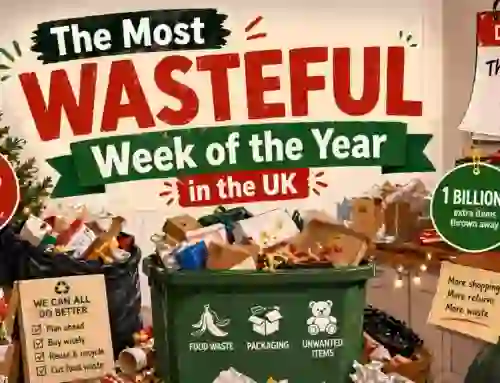
Seasonal buying surges in the UK often favour cheap, short‑lived items that are discarded after one night. That habit makes a big national impact while feeling harmless at a household level.
UK spending and single‑use habits
Shoppers spent an estimated £776 million in 2024, with the average family outlay around £95.70 a year. Low cost often means low quality—many plastic decorations and novelty pieces feel cheap enough to throw away.
The scale and where it ends up
In 2019 households generated about 183,000 tonnes of seasonal rubbish. Roughly 70% went to landfill, just 10% reached recycling, and the rest was incinerated or composted.
| Destination | Share |
|---|---|
| Landfill | 70% |
| Recycled | 10% |
| Incinerated/Composted | 20% |
Pumpkins and food loss
About 39.9 million pumpkins were bought in 2022; 22.2 million were left uneaten. That represents around £32.6 million of edible food thrown away and a large amount of hidden resource loss in water and energy.
Start with the waste hierarchy: the simplest way to cut your impact
Use a clear hierarchy to decide whether to buy, borrow or skip items this year. It ranks choices so the best actions come first and the worst last. This makes quick decisions easier at home.
What “Refuse, Reduce, Reuse, Recycle” looks like at home
Prevention or Refuse sits at the top. If you can say no to single‑use items, you stop the problem before it starts.
Reduce means buying less and choosing durable materials. Reuse keeps items in circulation and cuts demand for brand‑new goods.
Recycle is useful but not perfect. It takes energy and can fail for mixed materials and some plastic types. Disposal or recovery is the last resort because it loses resources and often costs more in the long run.
- Ask before buying: refuse if you won’t reuse.
- Reduce the quantity or pick longer‑lasting options.
- Reuse what you have or swap with friends.
- Recycle correctly if no other option exists and avoid wish‑cycling.
| Step | Why it helps | Everyday example |
|---|---|---|
| Refuse | Prevents creation of rubbish | Say no to single‑use plastic props |
| Reduce | Less to store and dispose | Buy one good light string, not three cheap ones |
| Reuse | Keeps materials moving | Repurpose textiles or swap costumes |
| Recycle | Recovers value but uses energy | Clean cardboard and separated plastics |
Refuse: avoid the most common sources of halloween decoration waste
Refusing certain items is the fastest way to stop pointless rubbish before it reaches your bin. Saying no prevents single‑use products from ever becoming a problem.
Single‑use plastic items to avoid
Flimsy banners, plastic cobwebs and cheap streamers rarely have recycling options. They tear, cling to other waste and often end up in landfill or incineration.
Costumes and fabric choices
UK shoppers spent an estimated £374 million on costumes, decorations and accessories in 2023, much of it bought new and thrown away. Cheap polyester and nylon outfits shed microfibres and rarely last beyond one year. Swap, hire or buy second‑hand instead.
Party fillers, treats and packaging
Plastic tat and novelty toys get discarded fast. Choose sweets with minimal wrappers and favour paper over mixed‑material packs where possible.
- If you can’t see a clear reuse or local recycling route, don’t buy it.
- Avoid individually over‑packaged items at the shop.
- Buy only the sweets you expect to hand out to avoid extras being thrown away.
| Item | Why refuse | Better choice |
|---|---|---|
| Flimsy plastic banners | Non‑recyclable, tears easily | Cloth banners or paper garlands |
| Cheap polyester costumes | Sheds fibres, short lifespan | Second‑hand or swapped costume |
| Party bag plastic toys | Often thrown away within days | Practical treats or paper gifts |
Refusing a few common categories keeps celebrations fun and makes your home look more intentional, not cluttered.
Reduce: buy less, waste less, spend less
Small choices—buying less, using timers, and choosing sturdier items—make a big difference to your household clear‑up.
Plan party food carefully to cut food waste and cost. In the UK about 100,000 tonnes of seasonal food was part of the 2019 total. Pick a simple menu, portion sensibly and plan who will take leftovers home.
Downsize décor and favour lasting pieces
Choose a few focal decorations for the door, window and table rather than filling every corner. Buy fewer, sturdier items you can reuse and store safely between years.
Save energy with LEDs and timers
Switch to LED bulbs and set timers so lights run only for a few hours. Timers and efficient bulbs cut energy use and reduce the running cost of displays.
Cut wrapper waste and go digital
Choose larger packs or offer loose sweets and treats where sensible to reduce packaging per item. Send digital invites, use online RSVPs and swap printed signs for a reusable chalkboard.

| Action | Benefit | Quick tip |
|---|---|---|
| Plan food | Less food waste, lower cost | Make a shopping list and portion plan |
| Buy fewer decorations | Less to store and throw away | Pick three focal pieces |
| Use LEDs & timers | Lower energy and bills | Set lights-off time at 10pm |
| Reduce wrappers | Less packaging in bins | Buy bigger packs or loose sweets |
Reuse: create a spooky look without buying new
Reusing what you already own is the easiest way to keep the spooky mood without another trip to the shop.
Costume choices that last
Swap outfits with friends, buy second‑hand or hire a costume to keep items in circulation. DIY from your wardrobe works well: black clothes plus makeup make a quick witch or vampire look.
Get creative with household materials
Use cardboard, jars, cans, newspapers and old sheets for props. These materials are cheap, familiar and easy to store between years.
- Cardboard box tombstones: paint and letter delivery boxes for a yard prop.
- Milk bottle ghosts: cut, draw faces, and use battery tea lights for safe night lights.
- Tin can lanterns: freeze water in cans, punch a pattern, then file sharp edges before use.
- Paper crafts: newspaper garlands, bats, and egg‑carton creatures for simple family projects.
Share, swap and donate
Host a one‑evening swap with friends so items stay useful next year. Donate usable costumes and props to charity shops like Traid or local school drama clubs rather than throwing them away.
| Item | Quick step | Benefit |
|---|---|---|
| Cardboard tombstone | Paint & letter | Low cost, reusable |
| Milk bottle ghost | Draw face + battery light | Safe, upcycled light |
| Tin can lantern | Punch holes & file edges | Durable night light |
Low-waste pumpkins: reduce food waste from carving
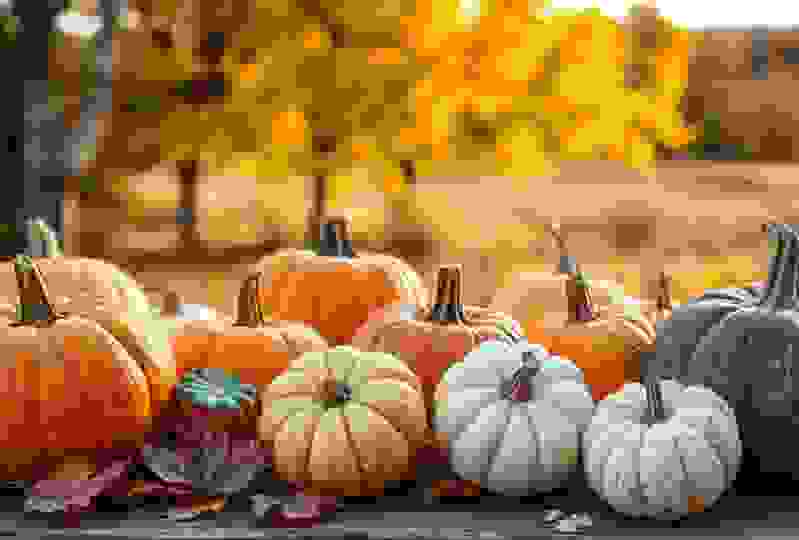
Pumpkins are a great seasonal symbol, but they also offer a simple way to cut household food loss. In 2022 about 39.9 million pumpkins were bought in the UK and 22.2 million went uneaten — roughly £32.6 million of edible food.
Decorate instead of carve to keep the flesh fresh. Paint, stick on paper shapes or use markers so the pumpkin lasts longer and stays edible.
Cook and reuse
Turn pumpkin into soup, curry, roasted wedges or bakes. Blend leftover flesh into sauces or mix into muffins and pancakes for an easy rescue meal.
Make the most of the seeds
Rinse, pat dry and roast seeds with a little oil and seasoning for a crunchy snack. That reduces the amount you throw away and boosts value from what you buy.
- Remember the hidden cost: wasted pumpkins also waste the water and energy used to grow and move them.
- If the shell is past its best, use food collection or home compost, not the general bin.
| Step | Why | Quick tip |
|---|---|---|
| Decorate | Keeps flesh edible | Paint or markers |
| Cook | Turns food into meals | Soup, curry or bakes |
| Dispose | Safe recycling | Food collection or compost |
Recycle right: keep plastic, paper, and packaging out of landfill
Knowing which items your council accepts is the quickest way to improve recycling rates. Only about 10% of halloween waste was recycled in 2019, so checking local guidance matters.
Use your local council rules and avoid wish‑cycling contamination
Put only what your area lists into the recycling bin. Wrong items can contaminate a whole load and mean more ends up in landfill.
Sweet wrappers and soft plastics: supermarket drop‑off points where available
Many kerbside schemes do not take crinkly plastic. Supermarket collection points sometimes accept flexible plastic and wrappers as an alternative option.
Cardboard and paper packaging: clean, dry, and flattened for collection
Keep paper and card free from food residue, dry and flattened. Dirty boxes are often rejected at the sorting centre.
- Sort station: set up piles for paper/card, hard plastic, soft plastic, food and residual to save time after a party.
- Costumes: donate usable costumes; unusable synthetic costume textiles go in general disposal, not the recycling bin.
| Material | What to do | Why it helps |
|---|---|---|
| Paper / Card | Clean, flatten, put in recycling | Accepted widely, saves energy |
| Soft plastic / wrappers | Check drop‑off points | Kerbside often rejects flexible plastic |
| Costumes / textiles | Donate or general bin | Many are synthetic and not accepted kerbside |
Remember: recycling is useful but uses energy. Refusing, reducing and reusing remain the best levers to cut overall waste.
Conclusion
.
A few simple changes at home can cut most seasonal waste and make the day feel more thoughtful.
Use the hierarchy as a short checklist: refuse the worst offenders, reduce what you buy, reuse what you can, then recycle properly. This order delivers the biggest gains each year.
Small choices by a family—fewer plastic extras, fewer disposable decorations and better meal planning—add up across a street. Less ends up in landfill, you spend less, and tidying takes minutes not hours.
Pick three practical swaps for this Halloween: swap costumes, make DIY props, and cook the pumpkin. These steps are easy to keep doing and make a real difference.
Thoughtful planning often feels more personal, and the best items are the ones you enjoy using again.