As the season shifts, many of us take the chance to declutter the home and make space for the months ahead. A planned clear‑out can stop useful things from becoming needless waste and help the environment at the same time.
Use a simple “use again” ladder: keep or reuse, repair, repurpose, pass on to friends or charity shops, sell online, then recycle via council services or textile banks. Only after these steps should you consider disposal through an HWRC or a licensed carrier.
This short guide is practical and UK‑focused. It will show common throwaway items room by room, from wardrobes and kitchens to bathrooms and paperwork. You’ll get quick wins for a drawer or shelf and clear advice for bulky or end‑of‑life goods.
The result should be more breathing room, a calmer home and positive knock‑on benefits for the environment as you prepare for the new season.
Key Takeaways
- Plan a clear‑out with a reuse ladder to keep useful items circulating.
- Work room by room to avoid overwhelm and win quick victories.
- Donate, sell or repurpose before recycling or disposing.
- Use UK services like council recycling, textile banks and HWRCs for proper disposal.
- Less clutter brings a calmer home and benefits the wider environment.
Why autumn is the perfect time to clear space at home
The change of light and routine gives a clear reason to tidy now. A short, planned clear‑out creates more usable space and makes daily living easier as the colder season starts.
Seasonal reset before winter and the festive period
Cooler mornings and darker evenings nudge us to prepare for winter routines and the busy festive period. Swapping wardrobes, school schedules and more indoor living make clutter more obvious.
How reducing waste supports the environment and your wellbeing
Clearing surfaces and sorting items reduces stress and saves you time later. Choosing repair, donate or recycle keeps materials in use and helps the environment without dramatic effort.
- Do a small, timed task now to avoid a frantic December clear‑out.
- Focus on items you actually use to free up real, practical space.
- Sustainable choices improve how your home functions day‑to‑day.
How to start an autumn declutter without feeling overwhelmed
A single, short task can stop clutter from growing and make the rest feel possible. Choose one micro‑area — a drawer, a shelf or the “chair of doom” — and commit a short burst of effort to it.
Pick a micro-area and set a 20‑minute timer
Set a 20‑minute timer and focus only on that small space. Limiting the time makes the job less daunting and keeps momentum high.
Empty, clean, then only return what you use and love
Remove every item, wipe the space and let it air. Put back only what you genuinely use or love so the area earns its place in your home.
Create clear sorting piles
- Keep — items you use regularly.
- Repair — small fixes that make items usable again.
- Donate/sell — good condition items someone else can use.
- Recycle — materials your council accepts.
- Dispose — broken or unsafe items that must go to a licensed route.
- Not sure — into a dated quarantine box for 30–60 days.
Handle indecision with a dated “quarantine box”
Label a box with the date and tuck it out of sight. If you don’t reach for its contents within the chosen 30–60 days, pass them on. This stops “not sure” becoming more clutter.
Practical tips: decide quick wins first, tackle tricky items last, and place bags or boxes by the door so items actually leave the house. These small moves save time and make future clear‑outs easier.
The “use again” ladder for autumn household waste
A step-by-step reuse plan gives you a default response for every item you find while sorting. This way you decide quickly and avoid sending things to the bin by habit.
Keep and store where it’s actually needed
Only keep what you use. Store items where you will reach for them — not in a random cupboard. Label boxes and create simple storage zones to stop clutter returning.
Repair first
Sew on buttons, ease stuck zips with graphite, tighten wobbly legs and take worn heels to a cobbler. Repair cafés are a low-cost service that save money and materials.
Repurpose, pass on and sell
Turn jars into pantry storage and old tea towels into rags. Offer good items to friends or local groups, use Freecycle/Freegle or donate to charity shops. For better pieces, sell on Vinted, eBay or local marketplaces and set a listing deadline.
Recycle correctly and dispose responsibly
Follow council recycling rules: textile banks for worn fabrics and WEEE drop-offs for electricals. Use an HWRC or a licensed carrier only when an item truly needs final disposal.
| Action | Best for | Typical UK route | Quick tip |
|---|---|---|---|
| Keep | Useful, used items | Home storage | Label and place near point of use |
| Repair | Small damage (zips, buttons) | Repair café or local cobbler | Fix now to avoid replacement cost |
| Pass on / Sell | Good condition items | Friends, charity shops, Vinted/eBay | Set a pickup or listing deadline |
| Recycle / Dispose | End‑of‑life items | Council kerbside, textile banks, HWRC | Check local guidance first |
Common autumn throw-away items hiding in wardrobes and drawers
A wardrobe swap reveals more forgotten garments than a quick glance ever will.
Pulling out warmer layers exposes odd bits and small damage you can act on. Use this moment to sort quickly and kindly.
Odd socks and simple reuse
Keep a small matching window and pair what you can. Turn the rest into dusters for blinds and skirting boards.
When cloths are past cleaning, take them to textile banks for recycling.
Moth-damaged knits
Check jumpers for tiny holes and mend what you can. Small repairs extend life and save money.
Items beyond saving should be recycled at clothes banks rather than left unused.
Unworn coats, scarves and shoes
If they didn’t earn a place last year, consider donating or selling now. This frees space and helps others.
Boot care and quick tips
Check heels early and book a cobbler if soles show wear. Early repair prevents bigger damage.
Finally, store knitwear folded in drawers to avoid stretching and use the reverse-hanger method to spot unused pieces. These small tips keep your wardrobe tidy and reduce clutter on busy mornings.
Kitchen and utility room clutter you’re likely binning in autumn
The kitchen and utility room are magnets for small clutter that takes up useful space in your home. Pull one shelf or drawer out and you’ll see duplicated products, mismatched lids and half‑used jars that slow you down.
Scratched plastic food containers: when to stop using them
Deep scratches can harbour bacteria and some older plastics may leach chemicals. If a container is heavily scored, retire it from food use.
Many are mixed plastics and aren’t recyclable via kerbside collections. If your council won’t accept them, repurpose for non‑food jobs or place both pot and lid in general waste.
Quick salvage: soak stained tubs in 4 tbsp bicarbonate of soda per litre of warm water to cut smells. This won’t fix deep scratches but helps stained pieces.
Mismatched lids, duplicates and half‑used products
Empty a cupboard and match lids first. Keep a sensible set and bin or donate the excess. Duplicates of condiments or cleaning products take space and date‑check quickly.
Tea towels, water bottles and practical repurposing
Tea towels with holes or scorch marks are excellent for messy jobs. Use them in the car, greenhouse or shed rather than throwing them away.
Water bottles multiply fast. Keep only those in active use. Offer spare bottles to friends or family, and recycle worn bottles if your local scheme accepts them.
Packaging and cardboard
Flatten boxes, keep cardboard dry and remove mixed materials if your council asks. Correct sorting of packaging is an easy way to cut household waste and speed recycling.
| Item | Why clear it | Best action (UK) |
|---|---|---|
| Scratched containers | Hygiene risk; mixed plastics | Repurpose for tools/garage or general waste if not recyclable |
| Mismatched lids & duplicates | Steals cupboard space | Match, keep a sensible number, donate extras |
| Tea towels | Holes, stains, scorch marks | Keep for dirty jobs; textile bank if worn out |
| Water bottles | Over‑stocking | Keep active ones, offer spares, recycle where accepted |
| Cardboard & packaging | Bulky and messy when wet | Flatten, dry, follow council recycling guidance |
Bathroom clear-outs that cut waste and improve hygiene
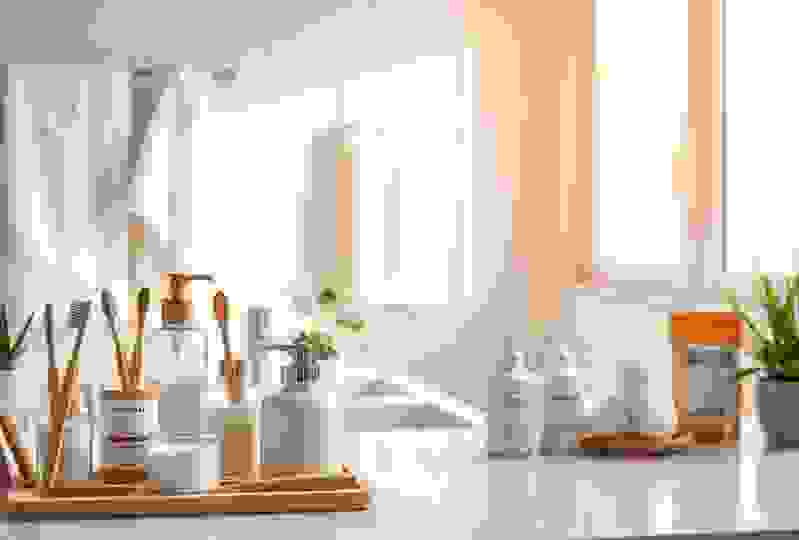
A quick bathroom clear‑out can boost hygiene and free up valuable shelf space in minutes. A tidy caddy makes cleaning easier and helps the room feel fresher every day.
Shower caddy overload: keep only what you actually use
Audit the caddy quickly. Keep regularly used products and move occasional items to a nearby shelf, out of direct spray.
Offer half‑used bottles to friends or family if they fit their routine. Remove clutter to cut grime build‑up and save cleaning time.
Expired or unused toiletries: donate versus recycle
Check expiry dates and the period‑after‑opening symbol. Unopened, in‑date toiletries can be donated to charities or doorstep collections in the UK.
Empty containers should follow local recycling rules. If in doubt, check your council guidance to recycle correctly and protect the environment.
Simple storage tweaks to keep the room clutter-free
Use a defined basket for back‑ups, cap razors and store them away from the shower, and rinse and dry loofahs between uses.
One small rule works well: finish one product before opening another. These habits keep your home organised and reduce re‑cluttering over time.
| Item | Best action | Why |
|---|---|---|
| Half‑used bottle | Offer to friends/family | Keeps usable products in circulation |
| Unopened toiletry | Donate (in‑date) | Supports local charities and saves resources |
| Empty plastic | Recycle via council | Reduces landfill and aids recycling targets |
Paper piles, school bags and “end of summer” leftovers to recycle
Loose papers, postcards and school folders are often the sneakiest clutter in any home. They arrive daily and soon take up space on counters and tables.
School bag bottoms: clearing old papers, cleaning and reusing what still works
Empty every pocket and sort loose sheets. Recycle what you don’t need and keep a small folder for the rest.
Invert the bag and shake out crumbs, then vacuum seams with a crevice tool.
If the care label allows, wash the bag inside out and use a mesh laundry bag for machine washes.
Paperwork and post: go paperless, scan what you must keep, recycle the rest
Use a simple triage: act, file, recycle. Spend short bursts over a few days rather than a full day of sorting.
- Position paper as the sneakiest clutter: it arrives daily and fills available spots fast.
- Give a back-to-school reset: empty, recycle rogue papers, clean and keep what still works for the next year.
- Switch to digital statements, scan must-keep documents and store them securely.
| Item | Quick action | Tip |
|---|---|---|
| Loose post | Recycle or act | Deal within 48 hours |
| School forms | File or photograph | Keep originals only if required |
| Crumbed bags | Shake, vacuum, wash | Reuse if still in good order |
Recycling and collections in the UK: where your items should really go
Knowing the right place to take items makes clearing out far less stressful. Below are simple, reliable ways to get things moving so donations and recycling actually help others and the environment.

Textiles: charity shops vs textile banks
Donate wearable clothes to charity shops so they can be reused. For worn or torn fabric, use textile banks or clothes banks so materials are recycled.
Prep items by washing them, pairing socks and tying shoelaces so donations are truly usable.
Electricals (WEEE)
Do not put electricals in general recycling. Use retailer take-back schemes at delivery, or drop items at your local HWRC’s WEEE area.
Handle broken items carefully and unplug or tape exposed wires before moving them.
Batteries and bulbs
Many supermarkets accept batteries and some bulb types at collection points. Local council rules vary, so check your area for accepted types.
Bulky items and furniture
Offer furniture to community groups, charities or friends before booking removal. If disposal is needed, hire a licensed removal service to avoid fly-tipping.
Doorstep donation collections
Doorstep collection services save time when transport is limited or items are heavy. Anglo Doorstep Collections, for example, wins praise for ease of booking and friendly staff from reviewers such as Patrice, Shirley and Catherine.
| Item | Best route | Quick tip |
|---|---|---|
| Clothes | Charity shop / textile bank | Wash and pair before donating |
| Small electricals | Retailer take-back / HWRC WEEE | Secure cables, avoid general recycling |
| Bulky furniture | Reuse or licensed removal | Offer locally first to extend life |
Correct collections and recycling reduce landfill and keep materials circulating longer, which helps the environment and makes future clear‑outs easier.
Conclusion
A short, steady reset can change how your home feels and works as the season moves on. This is a good moment for a practical, sustainable decluttering plan that keeps items in use through repair, donation, selling and correct recycling.
You do not need long days to make progress. Try 20‑minute bursts, use a clear decision ladder and a dated quarantine box for anything you are unsure about. This way you save time and build momentum in a simple way.
Top hotspots to check now are clothes for winter, kitchen containers and bottles, bathroom hygiene edits and paper piles. Make exit routes easy so things leave the house promptly rather than moving from pile to pile.
Adopt a few rules: one‑in‑one‑out, a weekly 15‑minute reset and a short quarantine for tricky things. Choose one micro‑area today, follow the sorting piles and enjoy calmer living with less waste.