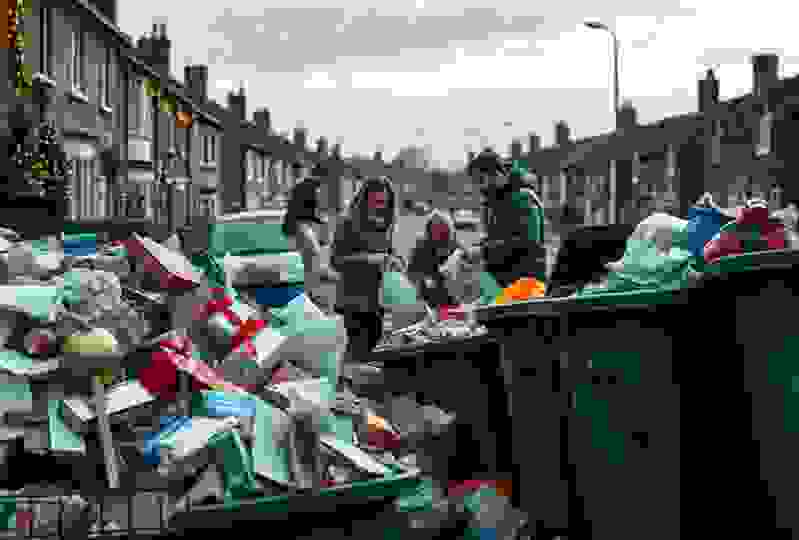
The festive period is widely called the most wasteful week of the year in the UK. Households produce an extra three million tonnes of rubbish, so small choices during this time can have a big environmental impact.
This guide is a friendly, practical how-to. It shows easy ways to cut christmas waste UK without losing the seasonal cheer. The focus is on quick wins that save money and reduce your footprint.
We will tackle the three biggest hotspots: food, gifts and wrapping, and trees and decorations. You’ll learn how to buy less, reuse more, recycle correctly and plan ahead to avoid last‑minute excess.
We know the period brings time pressures. Expect both fast tips and ideas for longer-term habits that compound year after year. Advice is tailored to local council services and Recycle Now guidance so you can act straight away.
Key Takeaways
- Small changes over a short time can cut the environmental impact significantly.
- Focus on food, gifts/wrapping and trees/decorations to reduce the biggest hotspots.
- Simple actions save money and shrink your household footprint.
- Use local council recycling rules and Recycle Now advice for correct disposal.
- Plan ahead to avoid last‑minute decisions that increase rubbish.
Why the season produces so much extra rubbish (and why it matters)
For many households, the season means a sudden spike in discarded food, paper and parcels. Bulk buying, novelty items and extra packaging all add up in a short time.
The scale of the problem
More than 3 million tonnes of extra rubbish is created each year. That is not just a bit more to collect — it raises emissions and uses more resources across the supply chain.
Festive food in numbers
Around 175 million mince pies are bought, and roughly 74 million end up thrown away. Hidden costs include about 175 tonnes of aluminium from pie packaging.
| Category | Key figure | Why it matters |
|---|---|---|
| Extra rubbish | 3 million tonnes | Higher emissions and landfill pressure |
| Mince pies | 175 million bought / 74 million thrown | Food waste plus 175 tonnes aluminium |
| Wrapping paper | 227,000 miles used | Not all paper is recyclable due to coatings |
| Unwanted presents | £42 million lost | Many gifts end up in landfill |
Packaging spikes too: more parcels, plastic and card arrive in a short period. This makes correct sorting and recycling more important than ever.
What this means for you: most of this is preventable. Planning portions, smarter wrapping and buying better presents cut the impact. The next section shows practical steps you can start before the big day.
Start before Christmas: declutter, plan, and buy less (without losing the festive feeling)
Start the season by sorting what you already own; it makes buying smarter and reduces last-minute regrets. A quick clear-out reveals decorations, spare gift bags and toys you can reuse next year.
A simple pre-Christmas clear-out
Set aside an hour to sort cupboards, boxes and ornament tubs. Label what is good to keep, what needs repair and what can be donated.
Rehome and repair before replacing
Items in good condition can go to charity shops, school groups or toy charities like Toys4Life and Young Planet. This keeps presents in use and supports local causes.
For broken lights, toys or ornaments try repair cafés or online repair guides before buying new materials.
| Action | What to do | Benefit |
|---|---|---|
| Clear-out | Sort, label and store reusable items | Know what you already own |
| Donate | Give to charity shops or toy charities | Keeps items in use and helps others |
| Repair | Use repair cafés and guides | Extends life of decorations and gifts |
| Budget | Set a realistic spend cap for your household | Reduces impulse buys and clutter |
Skip novelty buys you won’t use again; a simple rule helps: if you won’t use it next year, don’t buy it. Choose second-hand or repairable gifts and durable decorations so your purchases last more than one year.
Christmas trees and decorations with a lighter environmental impact
Choosing the right tree and decorations can cut your household footprint without dulling the festivities.

Potted, planted or cut: how to decide
A real christmas tree with roots can live in a pot and return to the garden after the season. Keep it watered, avoid indoor heat and move it outdoors as soon as the year ends.
End‑of‑season recycling and local options
If your tree has no roots, check your local council website for collection dates, drop-off points or garden waste schemes that turn trees into woodchip or compost.
Artificial trees and the ten‑year rule
An artificial tree often has a higher footprint and is hard to recycle. It makes sense only if kept for around ten years. If you won’t keep it, donate to a charity shop or community group.
DIY decorations and lights
Use scrap paper origami, paper garlands or dried orange slices with cloves for natural decorations. Choose LED plug‑in lights, switch them off at night and recycle broken strings via WEEE/small electrical collection points—don’t put them in the bin.
| Type | Environmental note | End‑of‑life option |
|---|---|---|
| Potted living tree | Low impact if reused or replanted in the garden | Replant or keep in pot for future years |
| Cut tree | Lower impact than single‑use plastic but needs correct disposal | Council collection or garden waste scheme for chipping |
| Artificial tree | High footprint; often contains plastic and metal | Use ≥10 years or donate; seldom recyclable |
Gifts and wrapping: cut wrapping paper, packaging, and present waste
A well-chosen present saves money, avoids landfill and keeps the surprise without excess packaging. Think experiences, memberships or vouchers that match the recipient’s interests. These reduce the chance a gift will be binned and often cost less than a bulky item.
Low‑waste gift ideas and Secret Santa tips
Homemade gifts are personal and low on packaging. Jams, chutneys, baked goods or knitted items need only simple paper or fabric wrapping for a polished look.
- Make Secret Santa smarter: set a price cap, use wish lists and try a second‑hand swap.
- Donate unwanted but usable items to charity instead of discarding.
Smarter wrapping and buy‑better guidance
The country uses about 227,000 miles of wrapping paper every year, so reuse bags, save large pieces and try fabric wrapping. Choose FSC or 100% recycled paper and avoid glitter, foil or laminated finishes that contain plastic.
The scrunch test and reuse tips
Do the scrunch test: if paper stays scrunched it can go for recycling; if it springs back it likely has plastic and belongs in the bin. Remove excess outer packaging before wrapping, reuse boxes, and save ribbons and cards to use as tags next year.
| Action | Why it helps | Quick tip |
|---|---|---|
| Choose experiences | Less packaging, more use | Gift a class or membership |
| Homemade gifts | Low materials, personal | Simple jars and fabric wrap |
| Better paper | Recyclable and low impact | FSC or 100% recycled, no glitter |
Cutting down food waste over the festive period
Festive food often seems abundant, but much of it never gets eaten. That surplus is the biggest hidden driver of seasonal waste for many households in this period.
Shop locally and buy loose
Where possible, buy from local shops or markets and pick loose fruit and veg. You will match quantities to what you will actually eat and cut packaging and plastic from your shopping.
Plan portions and meals
Map meals and snacks from the eve of the big day through the following days. Make a realistic shopping list for your household and stick to it.
Love your leftovers
Plan next-day meals in advance so leftovers become highlights, not bin fodder. Try soups, sandwiches, stocks or a bubble-and-squeak style fry-up to use up veg and joints.
Store safely
Freeze excess meat for up to six months and label with the date. Defrost in the fridge overnight or use a microwave defrost setting for quick, safe thawing.
Manage unavoidable scraps
Compost peelings, coffee grounds and food prep scraps if you have a garden compost setup. This turns unavoidable material into soil rather than rubbish.
| Tip | Why it helps | Quick action |
|---|---|---|
| Buy loose | Less packaging and more accurate amounts | Use market stalls or loose produce aisle |
| Plan meals | Stops impulse buying and overstocking | Map meals and make a list |
| Freeze & compost | Extends use and cuts bin output | Label packs; set a compost bucket |
Choose two simple ways to act this year: shop loose and plan leftovers. Small steps save time, money and reduce waste while keeping the celebration alive.
Conclusion
Small, repeatable actions across food, gifts and decorations make a big dent in annual rubbish and lower your household impact.
Key takeaways: plan ahead, buy less but better, reuse what you can and recycle correctly so good intentions don’t create more waste.
You do not need to change everything at once. Pick a few realistic tips this year and you will save time and money while keeping things festive.
Starter actions to try today: do a quick pre-Christmas clear-out, swap to recyclable or rewearable wrapping, and plan meals to avoid leftovers getting binned.
Benefits add up year on year when decorations, trees and gift materials are kept in use. Check your local council guidance and resources like Recycle Now for tricky items.
Choose one or two ideas, share them with friends or family, and enjoy a lower-impact celebration with lasting benefits.