This short guide explains what “garden waste recycling” means in the UK and why many councils run separate services for green material instead of putting it with general refuse. Councils collect cuttings and trimmings to keep loads clean and to make useful compost rather than sending organic material to landfill.
Local rules do vary — bin colours, subscription models and accepted items differ by council — but the core journey is similar. After collection the material goes to a composting site for processing, where heat and time turn it into stable compost or mulch. This is part of wider waste recycling schemes that reduce landfill and return nutrients to soil.
Residents often ask what happens after collection day. This article answers that with clear UK examples and steps, explaining what to put out, how the composting centre works, what the output becomes and how subscription or renewal options operate.
Key Takeaways
- Councils collect green material separately to produce compost and mulch.
- Local rules and bin schemes vary, but the processing route is largely the same.
- Collected organic material is processed at composting centres using heat and time.
- Outputs return to soil and landscaping, reducing landfill and saving resources.
- This guide explains what to put out, how centres work and subscription basics.
How garden waste collection works in the UK
Householders usually choose between a subscription wheelie bin or single-use compostable sacks for their garden collections.
Choosing your container
Many councils offer a paid brown wheelie bin subscription (example: £49/year) for regular pick-ups. This gives a dedicated bin that crews empty mechanically.
Other areas use compostable paper sacks on a pay-as-you-go basis, such as the Hampshire model. Councils provide options to suit different households and gardens.
Presenting your bin for collection day
Place your container at the edge of your property by 7am so crews can access it. Ensure the lid faces the road and is closed enough for the lifting arm to work safely.
Fortnightly collections are common — for example, many services run every two weeks, and Cumberland collects every two weeks from March to November.
| Option | Cost | Frequency | Notes |
|---|---|---|---|
| Subscription wheelie bin | £49/year (example) | Fortnightly | Mechanised emptying; labelled for your street |
| Compostable paper sacks | Pay-as-you-go | Per scheduled collection | Good for occasional use; single-use sacks |
| Seasonal adjustments | Varies | March–November (example) | May pause on bank holidays or at year end |
Bring your bin back promptly after emptying. This keeps pavements clear, helps prams and wheelchairs pass, and reduces the chance of missed collections.
What you can and can’t put in your garden waste bin
Putting the right items in your bin keeps the composting centre running smoothly and protects the final product.
Accepted items
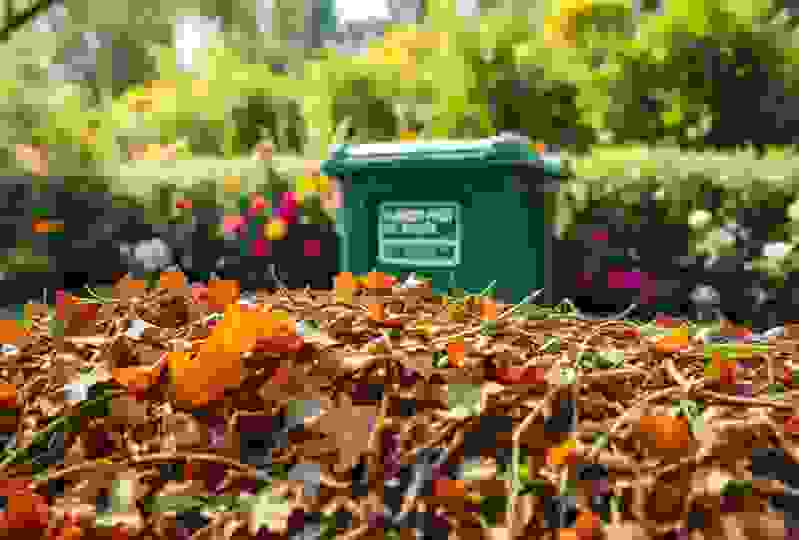
Most councils accept grass cuttings, hedge trimmings, leaves, weeds, cut flowers and prunings. Small branches and twigs are usually fine if under the size limit (commonly 100mm/4in diameter).
Wind‑fallen fruit is accepted in some areas, but check local rules. Avoid overfilling the container — heavy loads can cause handling problems.
Common exclusions and why they matter
Do not add turf, soil, food scraps, plastics, rubble, animal bedding or pet faeces. Soil adds weight and can contaminate the composting process.
Plastics and pots do not break down and damage product quality. Rubble and stones harm shredders. Animal waste brings hygiene risks and stops safe recycling.
| Item | Allowed? | Notes |
|---|---|---|
| Grass cuttings, leaves, flowers | Yes | Accepted in most collections |
| Prunings, small branches (≤100mm) | Yes | Watch diameter limits and bundle if required |
| Soil, turf, rubble, food | No | Adds weight, contaminates or damages equipment |
| Plastics, plant pots, animal waste | No | Creates contamination and hygiene issues |
Always check your council’s guidance for any local exclusions, such as invasive species, to avoid missed collections and protect the quality of compost from household and green streams.
Garden waste recycling at the composting centre
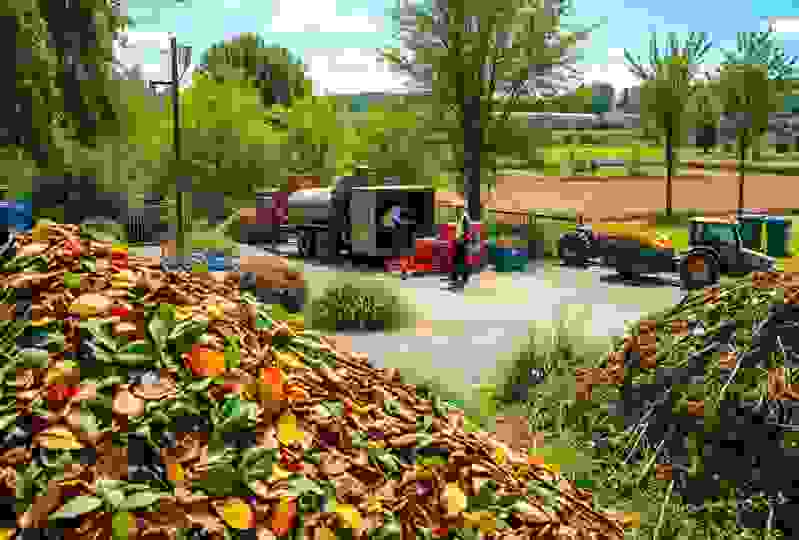
Once crews finish collection, lorries tip loads at a permitted composting centre where material is managed at scale.
Where your material goes after bin collection
Vehicles deliver the load to a licensed site such as the facility near Basingstoke or processing centres used in South Yorkshire.
Shredding and sorting
Staff shred incoming material to smaller pieces. This speeds breakdown and lets teams remove obvious contaminants by eye.
Industrial composting and heat
Shredded material is formed into large piles or rows. Microbes generate heat as they digest the matter, which helps kill unwanted bacteria.
Turning and timing
Operators turn piles regularly to add air and keep the process active. This prevents the process stalling and ensures even composting.
Typical time from tip to finished product is around 12 weeks. The result is a consistent soil conditioner produced under controlled conditions.
| Step | What happens | Purpose |
|---|---|---|
| Delivery | Loads tipped at a permitted centre | Centralised handling and inspection |
| Shredding & sorting | Material reduced and contaminants removed | Faster breakdown and cleaner end product |
| Piling & heating | Rows form and heat rises naturally | Pathogen reduction and active decomposition |
| Turning & curing | Piles circulated and aged (~12 weeks) | Even compost and safe soil improver |
What your garden waste becomes: compost, mulch and soil conditioner
After processing, collected green material is turned into useful soil products for homes, parks and larger projects.
Turning green material into branded soil improvers
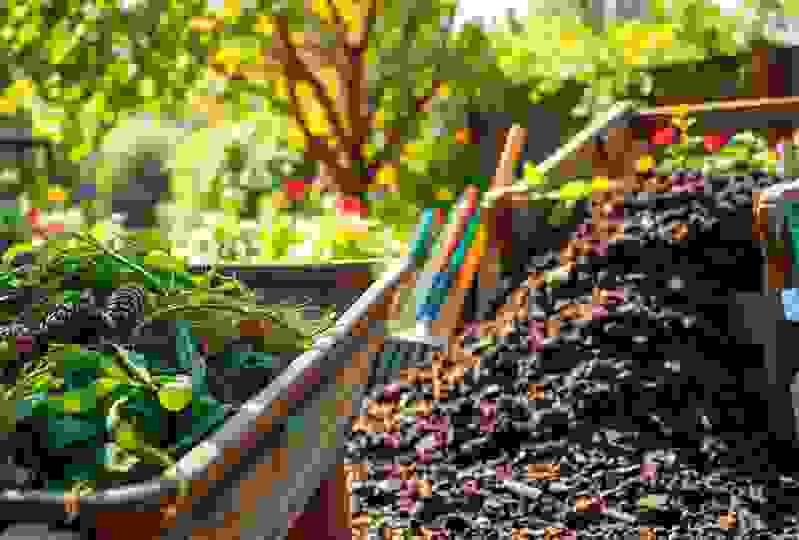
At the Hampshire facility near Basingstoke, incoming loads are processed into a soil conditioner sold as Pro‑Grow. Residents can buy Pro‑Grow at some Household Waste Recycling Centres.
How finished products are used locally
Sheffield and other councils supply compost and conditioners to landscapers and local authorities for parks and street planting. Householders use the same products to improve soil structure and help beds retain moisture.
| Product | Main use | Typical buyer |
|---|---|---|
| Finished compost | Enriches soil and adds organic matter | Householders, allotments |
| Mulch-like material | Suppresses weeds and conserves moisture | Garden centres, landscapers |
| Soil conditioner (e.g. Pro‑Grow) | Improves structure and nutrient retention | Councils, contractors, the public |
Good input habits matter. Cleaner streams—free of plastics, soil and rubble—make better composting results. That closes the loop: household contributions become practical soil products that support greener spaces.
Subscription, renewals and other ways to recycle garden waste
Paying for a seasonal bin service often gives you regular collections, clear rules and reminders so you don’t miss a pickup.
How subscriptions work and pricing examples
Most councils sell an annual subscription covering a set number of collections during the year. Charges vary by contractor and local policy.
- Example: £49/year for a brown wheelie bin (Hampshire).
- Example: £66.58 for 20 collections over 12 months (Sheffield), with a short seasonal break.
- Extra bins sometimes cost around £40/year (Cumberland example).
Renewals, stickers and replacement bins
Councils send renewal reminders by email or letter and many portals show your end date so you can renew on time.
Some services issue a sticker that must be displayed on the bin. Crews may leave un‑stickered bins.
If your bin is missing or damaged you may pay for a replacement; an example charge is £33 for delivery in some areas.
Free alternatives and avoiding missed collections
Free options include taking material to Household Waste Recycling Centres or composting suitable items at home.
Practical tips: shake soil off, avoid plastic bags, keep the lid closed and don’t compact contents. Heavy or contaminated loads can be rejected at the composting facility.
| Issue | Action | Benefit |
|---|---|---|
| Contamination (food, plastics, rubble) | Remove before setting out | Bin will be emptied and product quality stays high |
| Missed collection | Label bin with house number and road name | Crews identify property faster; easier to report |
| Damaged or missing bin | Request replacement via council portal | Minimises service disruption; may incur a fee |
Conclusion
Knowing the final steps in the collection chain makes it easier to put the right things in your bin.
Put your kerbside container out correctly and crews will deliver loads to a composting centre where garden waste is processed into useful soil improvers rather than treated as general refuse. This is part of wider waste recycling that returns material to the local landscape.
Rules do vary by council, so follow local guidance and keep contaminants out — avoid plastic, rubble and excess soil. Clean streams protect product quality and keep collections running smoothly.
Quick actions you can take today: check what’s accepted, don’t overfill, present the bin properly and bring bins back promptly after emptying.
If a subscription isn’t right for you, use household waste sites or try at‑home composting. Use this article as a handy reference whenever you’re unsure what should go in your bin.